
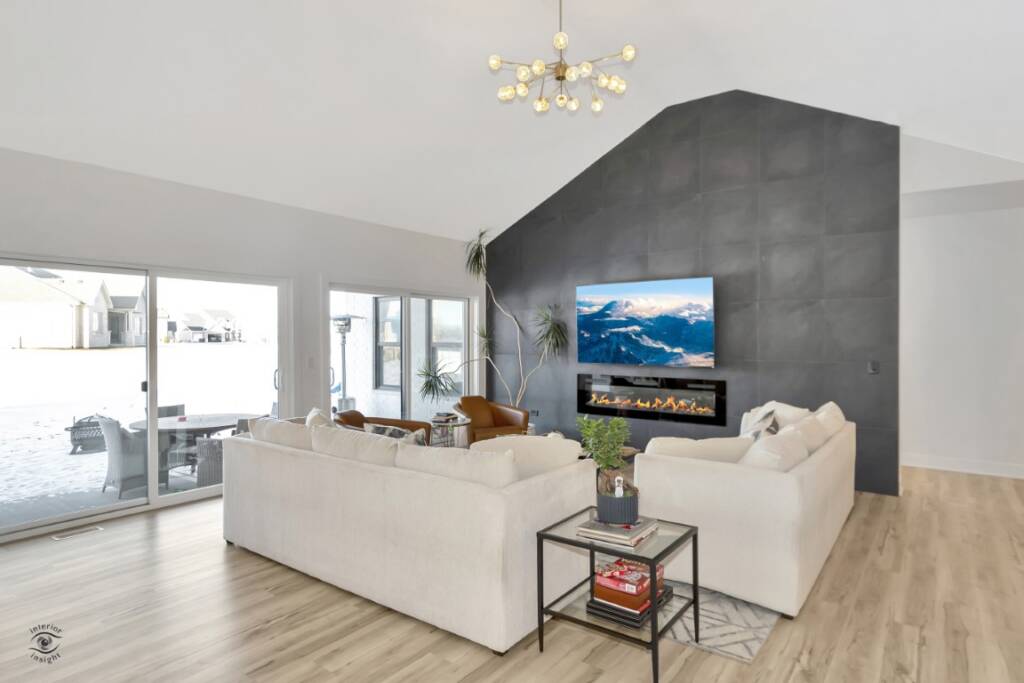
Ground up construction is the process of building a home entirely from the beginning on a piece of land, starting with site preparation and working through every phase of construction until the home is complete. Unlike renovation or remodeling projects that work within the constraints of an existing structure, ground up construction gives homeowners the freedom to create a home designed exactly to their specifications from the very first foundation pour.
For many families, ground up construction represents the most complete expression of custom homebuilding. Every decision, from the footprint and floor plan to the materials and finishes, is made with purpose rather than compromise. Understanding what ground up construction involves helps homeowners approach the process with realistic expectations and a clear sense of what to prepare for.
What Ground Up Construction Involves
Ground up construction begins well before any physical work takes place on the site. The process starts with design, where the homeowner works with a builder and design team to develop architectural plans, structural drawings, and a full set of specifications that will guide the construction. This planning phase is one of the most important parts of ground up construction because the decisions made here shape everything that follows.
Once plans are finalized and permits are obtained, ground up construction moves to site preparation. This includes clearing the land, grading the lot to establish proper drainage, and preparing the ground for foundation work. Depending on the site conditions, this phase of ground up construction can range from straightforward to complex, particularly on lots with significant slope, dense vegetation, or challenging soil conditions.
The construction itself follows a structured sequence of phases that includes foundation work, framing, rough-in work for mechanical systems, insulation, exterior cladding, roofing, interior finishes, and final installations. Ground up construction requires careful coordination of dozens of trades and suppliers throughout this process, which is why working with an experienced builder who has a proven system for managing the schedule and quality of work is so important.
The Site Evaluation Phase of Ground Up Construction
Before ground up construction can begin, the building site must be thoroughly evaluated. A qualified builder will assess the lot to identify conditions that will affect the design and construction of the home. Soil bearing capacity, drainage patterns, utility access, setback requirements, and any easements or deed restrictions are all factors that influence how ground up construction proceeds on a specific property.
Soil testing is an important part of the site evaluation process in ground up construction. The results determine what type of foundation is appropriate for the home and whether any special engineering is required to support the structure. On lots with expansive soils, high water tables, or other challenging conditions, ground up construction may require engineered foundation systems that add cost but ensure the long-term stability of the home.
Utility connections are another key consideration during the site evaluation phase of ground up construction. Properties connected to municipal water, sewer, gas, and electrical service require coordination with local utilities to establish service to the new home. Rural properties may require well drilling, septic system design, and propane or other alternative energy sources. Understanding these requirements early in the ground up construction process helps ensure the project budget and timeline are accurate from the start.
Design and Planning for Ground Up Construction
The design phase of ground up construction is where the homeowner’s vision begins to take shape. Working with a builder and an architectural team, homeowners develop floor plans, exterior elevations, and interior specifications that reflect their lifestyle, priorities, and aesthetic preferences. Ground up construction offers complete design freedom, which is both its greatest advantage and the reason why thorough planning is so essential.
Decisions made during the design phase of ground up construction have a cascading effect on the entire project. Room dimensions, ceiling heights, window placement, structural systems, and the relationship between interior and exterior spaces all influence what is possible later in the build. Taking the time to develop a comprehensive and well-coordinated design before ground up construction begins reduces the likelihood of costly changes once work is underway.
Energy efficiency and building performance are important considerations during the planning phase of ground up construction. Because a home built from scratch has no existing systems or structure to work around, ground up construction is an ideal opportunity to incorporate high-performance insulation, advanced window systems, efficient mechanical equipment, and thoughtful passive design strategies that reduce long-term energy costs and improve comfort throughout the year.
The Foundation Phase of Ground Up Construction
Foundation work is among the most critical phases of ground up construction. The foundation transfers the weight of the home to the ground and must be designed and built to perform reliably for the lifetime of the structure. In ground up construction, the type of foundation selected depends on the site conditions, local building codes, and the design of the home above it.
Common foundation types used in ground up construction include poured concrete slabs, crawl spaces, and full basements. Each has advantages and limitations depending on the climate, soil conditions, and the homeowner’s priorities. A slab foundation is common in warmer climates and minimizes the potential for moisture issues, while a basement adds livable space and is well-suited to colder climates where frost depth requires deeper footings regardless.
The precision of foundation work in ground up construction sets the stage for everything that follows. Walls, windows, doors, and rooflines all depend on the foundation being level, square, and accurately dimensioned. Experienced builders who specialize in ground up construction invest in the quality of this phase because they understand that mistakes at the foundation level are among the most costly and disruptive to correct later in the build.
Framing and Structural Work in Ground Up Construction
Framing is the phase of ground up construction where the home begins to take visible shape. Walls rise, roof lines are established, and floor systems are installed, giving the homeowner a tangible sense of the scale and layout of the home for the first time. Ground up construction framing requires precision because the structural integrity of the entire home depends on this work being done correctly.
Modern ground up construction uses a variety of structural systems depending on the design requirements of the home. Traditional wood frame construction remains the most common method for residential ground up construction, but engineered lumber systems, steel framing, and structural insulated panels are increasingly used when the design calls for long spans, open floor plans, or enhanced structural performance.
Inspections are a regular part of the framing phase in ground up construction. Local building departments require inspections at key milestones to verify that the work meets code requirements before construction proceeds. Experienced builders plan for these inspections as part of the schedule and maintain documentation of the work to ensure a smooth approval process at each stage of ground up construction.
Mechanical Systems in Ground Up Construction
Rough-in work for mechanical systems takes place after framing is complete in ground up construction. This phase includes the installation of plumbing supply and drain lines, electrical rough-in, HVAC ductwork or radiant heating systems, and any other systems that will be concealed within the walls, floors, and ceilings of the finished home. Ground up construction gives homeowners the opportunity to specify exactly the systems they want without the constraints imposed by an existing structure.
The coordination of mechanical trades is one of the most complex aspects of ground up construction management. Plumbers, electricians, HVAC contractors, and other specialty trades must each complete their work in a specific sequence and in coordination with one another to avoid conflicts and ensure that systems are properly integrated. Experienced builders who specialize in ground up construction manage this coordination proactively to keep the project moving efficiently.
Technology integration is an increasingly important part of the mechanical planning phase in ground up construction. Structured wiring for home automation, security systems, whole-home audio, and high-speed data infrastructure is far easier and less costly to install during ground up construction than to retrofit later. Homeowners who plan for these systems early in the process end up with a home that is both better equipped and more adaptable to future technology.
Finishing Work and Final Phases of Ground Up Construction
The finishing phase of ground up construction is when the home transforms from a raw structure into a livable residence. Insulation is installed, drywall is hung and finished, paint is applied, flooring is laid, cabinetry and millwork are installed, and fixtures and appliances are set. The quality and precision of the finish work in ground up construction is what homeowners see and experience every day, making this phase a direct reflection of the builder’s standards.
Exterior work proceeds alongside interior finishing in ground up construction. Siding, roofing, windows, doors, and exterior trim are completed to weatherproof the home, while porches, patios, driveways, and landscaping are addressed to complete the overall site. Ground up construction produces a finished home that looks and functions as a coherent whole because every element was designed and built as part of a unified vision.
The final walkthrough is the culminating stage of ground up construction, where the builder and homeowner review every aspect of the home together before occupancy. Items that need adjustment or completion are documented and addressed, and the builder provides the homeowner with information about the home’s systems, warranty coverage, and maintenance requirements. A thorough final walkthrough is a hallmark of builders who take ground up construction seriously and stand behind the quality of their work.
Distinctive Custom Home Builders and Ground Up Construction
At Distinctive Custom Home Builders, ground up construction is at the core of everything we do. We specialize in guiding homeowners through every phase of the ground up construction process, from initial site evaluation and design through final completion and walkthrough. Our team brings the expertise, organization, and craftsmanship required to deliver a custom home built entirely from your vision and the ground up.
We believe that ground up construction should be a rewarding experience for the homeowner, not just a complex construction project. Our approach is built on clear communication, detailed pre-construction planning, and a genuine commitment to quality at every phase of the build. When you choose Distinctive Custom Home Builders for your ground up construction project, you are working with a team that is fully invested in the outcome.
Whether you own land already or are in the early stages of exploring a ground up construction project, we are ready to begin the conversation. Contact Distinctive Custom Home Builders today to learn more about how we manage the ground up construction process from start to finish.
Ready to Begin Your Ground Up Construction Project?
If you are ready to explore ground up construction for your custom home, Distinctive Custom Home Builders is here to guide you through the entire process. From site evaluation through final completion, we bring the expertise and commitment to quality that your project deserves.
Contact Distinctive Custom Home Builders today to schedule your consultation and take the first step toward building your custom home from the ground up.