
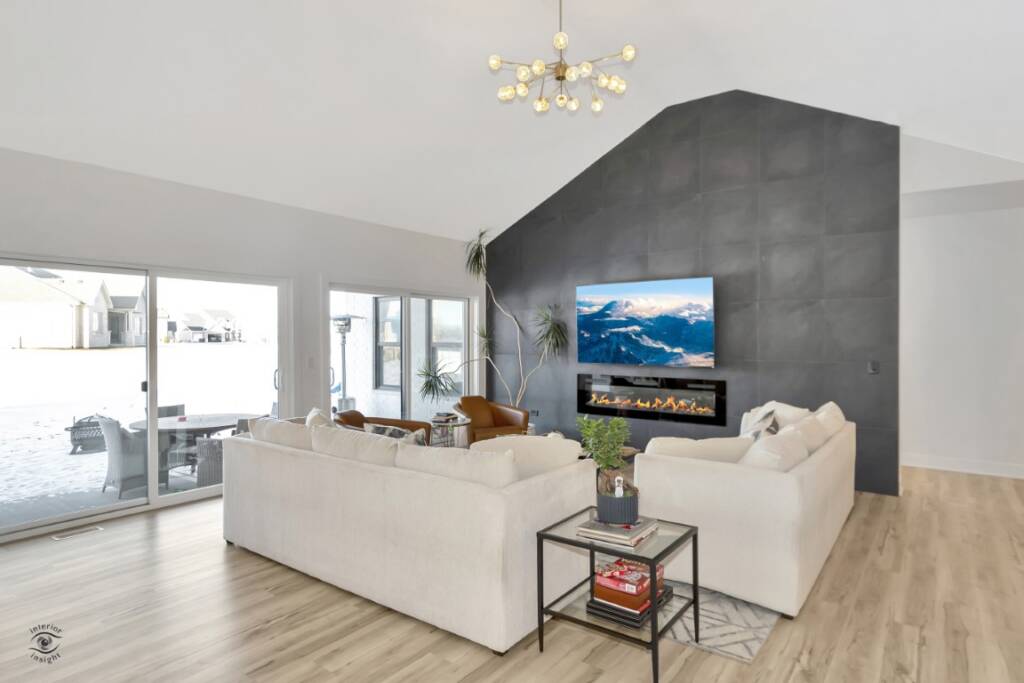
For homeowners who already own property, the opportunity to build on your own land offers something that purchasing an existing home simply cannot: a residence designed entirely around the land itself, the lifestyle of the family, and the long-term goals that matter most. The ability to choose where you live and then design the home around that place is one of the most compelling reasons families pursue this path.
Understanding how the process unfolds when you build on your own land helps homeowners move forward with realistic expectations, better questions, and greater confidence at every step.
Starting with the Land Before the Home
One of the most distinctive aspects of choosing to build on your own land is that the land itself becomes the starting point for every major decision. Rather than selecting a floor plan and fitting it to a lot, the most experienced builders begin by studying the property and letting it inform the design.
When you build on your own land, orientation, topography, natural features, and site conditions all become inputs that shape the home. A builder who starts with the land produces a home that feels intentional and connected rather than simply placed on a parcel.
Confirming Your Land Is Ready to Build On
Not all land is equally ready for residential construction, and one of the most important early steps when you plan to build on your own land is confirming what the property requires before breaking ground. This includes reviewing zoning classifications, setback requirements, easements, and any deed restrictions that may affect what can be built and where.
Utility access is another critical consideration. When you build on your own land, the availability and cost of connecting to water, sewer, electricity, gas, and high-speed internet can vary significantly depending on whether the property is in an established area or a more rural setting.
The Site Evaluation and What It Covers
A thorough site evaluation is one of the first formal steps a qualified builder will take before you build on your own land. This assessment goes deeper than a general walkthrough, examining soil stability, drainage behavior, slope, tree coverage, and any environmental features that could affect the design or the construction timeline.
Homeowners who build on your own land benefit significantly from having this information early. Site evaluations reduce the risk of unexpected costs during construction and allow the design to account for the property’s actual conditions rather than ideal assumptions.
Developing a Custom Design for Your Property
Once the site has been evaluated, the design process can begin in earnest. For homeowners who build on your own land, this phase is often the most rewarding because every decision is shaped by a combination of the property’s characteristics and the family’s priorities.
Floor plan layout, room placement, window orientation, outdoor living connections, and architectural style are all developed with the specific parcel in mind. Homes designed this way feel more purposeful and more connected to their surroundings than homes built on generic lots within a planned community.
Managing Costs When You Build on Your Own Land
A realistic budget is essential when you decide to build on your own land. Beyond the construction cost of the home itself, homeowners should plan for site preparation, utility connections, driveway installation, permits, landscaping, and a contingency reserve for any unexpected site conditions that emerge during the project.
Working with a builder who provides transparent, itemized estimates helps homeowners understand exactly what their budget covers. When you build on your own land, the investment reflects both the property you already own and the custom home being created on it, making clarity around costs especially important from the start.
Permitting and the Approval Process
Before construction begins on any project where you build on your own land, the design must go through a permitting process with the local authority having jurisdiction. This typically includes submission of construction drawings, site plans, and documentation of compliance with local building codes and zoning requirements.
Experienced builders who regularly work in the area understand the permitting process and can help homeowners navigate it efficiently. When you build on your own land, having a builder with established relationships in the local permitting community can meaningfully reduce delays at this phase.
Construction Phases from Foundation to Finish
Once permits are issued, construction on your own land moves through a defined sequence of phases. Site clearing and grading come first, followed by utility rough-ins, foundation work, framing, mechanical systems, insulation, drywall, interior finishes, and final inspections before move-in.
Homeowners who build on your own land benefit from staying engaged throughout this sequence. Regular site visits, consistent communication with the builder, and timely decisions during the finish selection phase all contribute to a smoother construction experience and a finished home that reflects the original vision.
What Makes a Strong Build on Your Own Land Partner
Not every custom home builder is equally equipped to handle projects where the homeowner already owns the land. The best build on your own land partners bring site evaluation expertise, collaborative design skills, transparent budgeting, and experience managing the additional variables that come with working on homeowner-provided parcels.
When evaluating builders for this type of project, ask specifically about their experience on customer-owned land, how they handle unexpected site conditions, and what their process looks like from initial site visit through final walkthrough. The answers reveal a great deal about how the project will actually unfold.
Why Distinctive Custom Home Builders Excels at Building on Your Own Land
At Distinctive Custom Home Builders, we have developed our process specifically around the needs of homeowners who want to build on your own land. From the first site visit through final completion, our team takes the time to understand the property before we begin talking about the home, ensuring every design decision works with the land rather than against it.
Our commitment to transparency, craftsmanship, and personalized collaboration has made us a trusted partner for families across Northwest Indiana and the Chicago area who want to turn the land they already own into the custom home they have always envisioned.
Ready to Build on Your Own Land?
If you own property and are ready to explore what is possible, now is the time to begin the conversation with a builder who understands what it takes to build on your own land successfully.
Contact Distinctive Custom Home Builders today to schedule your initial consultation and take the first step toward creating a custom home on the land that is already yours.