
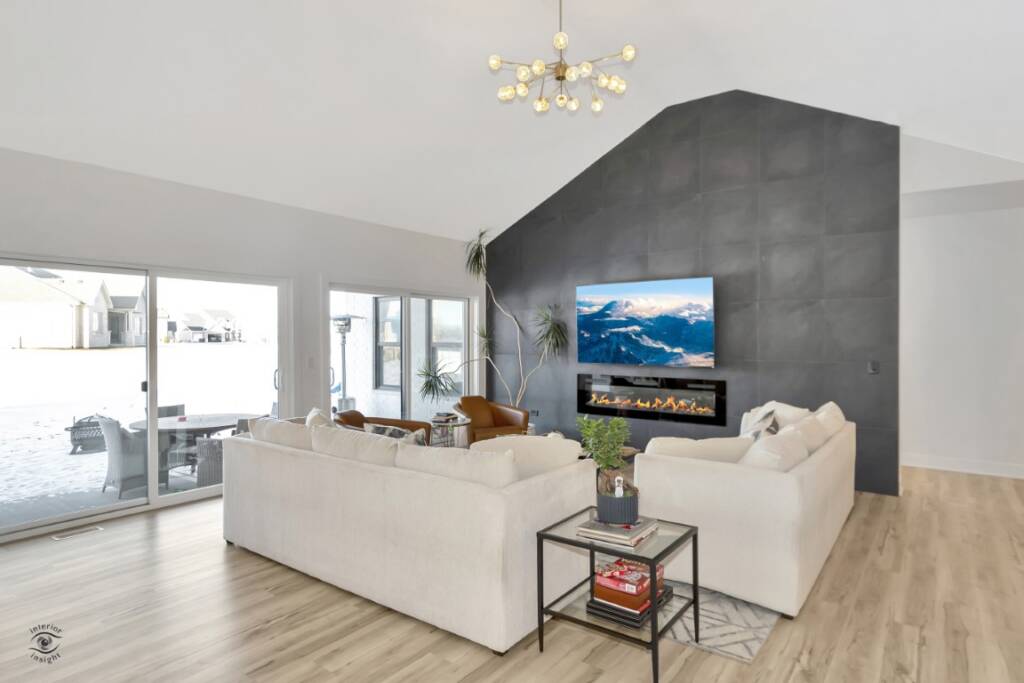
For many homeowners, the opportunity to build on your own land is one of the most meaningful paths toward creating a custom home. Rather than purchasing an existing home and accepting someone else’s design choices, building on your own land allows you to create a residence tailored specifically to your lifestyle, your property, and your long-term goals.
Whether you already own a parcel of land or are actively searching for the right property, understanding the process helps you move forward with clarity and confidence.
What It Means to Build on Your Own Land
Building on your own land means constructing a custom home on property you already own rather than purchasing a lot through a builder or developer. Homeowners who choose to build on your own land benefit from the ability to design a home around the specific characteristics of their property rather than adapting to a predetermined floor plan.
When you build on your own land, the home can be oriented to take advantage of natural features such as views, sunlight, trees, and topography. This creates a stronger connection between the home and the property that production homes rarely achieve.
Why Homeowners Choose to Build on Your Own Land
Many families choose to build on your own land because they already own property in a location they love. Whether it is wooded acreage, a scenic rural lot, or a parcel close to family and community, building on your own land means you do not have to compromise on where you live.
When you build on your own land, you can select the architectural style, square footage, room layout, and finishes that best fit your vision. Another advantage is the ability to take advantage of unique property features such as scenic views, open acreage, or waterfront access that can significantly enhance your quality of life and the long-term value of your home.
What to Consider Before You Build on Your Own Land
Before you build on your own land, it is important to evaluate the property carefully. Not every parcel is immediately ready for residential construction, and understanding potential challenges early can save time and money later in the process.
Key factors to review when you plan to build on your own land include utility availability, zoning and setback requirements, soil conditions, drainage, and road access. Working with an experienced builder who understands site evaluation helps ensure the project moves forward smoothly from the very beginning.
Designing a Home Around Your Land
One of the most distinctive advantages of choosing to build on your own land is that the design process can begin with the property itself. Rather than selecting from a catalog of existing floor plans, a custom builder considers how the home should be oriented and designed to complement the specific characteristics of the site.
When you build on your own land, the home can be positioned to maximize natural light, frame scenic views, preserve mature trees, and create a natural connection between indoor and outdoor living spaces. This site-responsive approach produces a home that feels more connected to its surroundings than homes built within a development.
Personalization When You Build on Your Own Land
Building on your own land means that personalization extends far beyond simply choosing where to live. Homeowners have the opportunity to make meaningful decisions about every aspect of the home, from the overall layout and architectural style to finishes, materials, and specialized spaces.
When you build on your own land, you can create rooms designed around the way your family actually lives. Open-concept gathering areas, dedicated home offices, luxury primary suites, outdoor entertaining spaces, and custom kitchens are just a few of the possibilities available when a home is designed from the ground up.
Understanding the Construction Process
The process to build on your own land typically begins with a site evaluation and planning conversation. During this phase, builders review the property, discuss your goals, and begin developing a plan that works with the characteristics of the land.
From there, homeowners move into the design phase, where floor plans, architectural details, and custom features are developed. Once designs and permits are in place, construction progresses through foundation work, framing, mechanical systems, interior finishes, and final inspections.
Budgeting for a Custom Home on Your Own Land
Establishing a realistic budget is one of the most important steps when you decide to build on your own land. In addition to construction costs, homeowners should plan for site preparation, utility connections, permits, landscaping, and contingency funds for unexpected site conditions.
When you build on your own land, working with a builder who provides transparent estimates and detailed pricing helps you make informed decisions throughout the project. Prioritizing features early in the design process helps keep the budget focused on what matters most.
Quality Craftsmanship and Long-Term Value
Building on your own land is a significant long-term investment, which is why quality craftsmanship must be a priority at every phase of construction. The skill and care applied during framing, systems installation, and finishing details directly impacts how the home performs and holds its value over time.
Homeowners who build on your own land should look for a builder with a demonstrated commitment to quality workmanship and premium materials. This attention to detail helps ensure the finished home not only looks exceptional but continues to serve the family well for decades to come.
Common Questions About Building on Your Own Land
Many homeowners exploring the idea of building on your own land have similar questions about the process. One of the most common concerns is whether a particular piece of land is suitable for residential construction. An experienced builder can evaluate the property and provide guidance on what the site can accommodate and what preparation may be required.
Another frequent question involves financing. Building on your own land often involves a construction loan rather than a traditional mortgage. Many lenders offer construction-to-permanent loan products that simplify the financing process for custom home projects on existing land.
Why Distinctive Custom Home Builders Helps You Build on Your Own Land
At Distinctive Custom Home Builders, we specialize in helping homeowners build on your own land by providing expert guidance, thoughtful design, and a commitment to craftsmanship from the first consultation through final completion. Our team understands that every property is unique, and we approach each project by learning about the land before developing a home design.
Whether you already own land or are searching for the right property, Distinctive Custom Home Builders can help you build on your own land and create a home that is truly yours.
Ready to Build on Your Own Land?
If you are ready to build on your own land, now is the time to begin planning your custom home. Building on property you already own gives you the freedom to create a residence designed entirely around your lifestyle, your land, and your long-term goals.
Contact Distinctive Custom Home Builders today to learn how we help homeowners build on your own land and bring their custom home vision to life.