
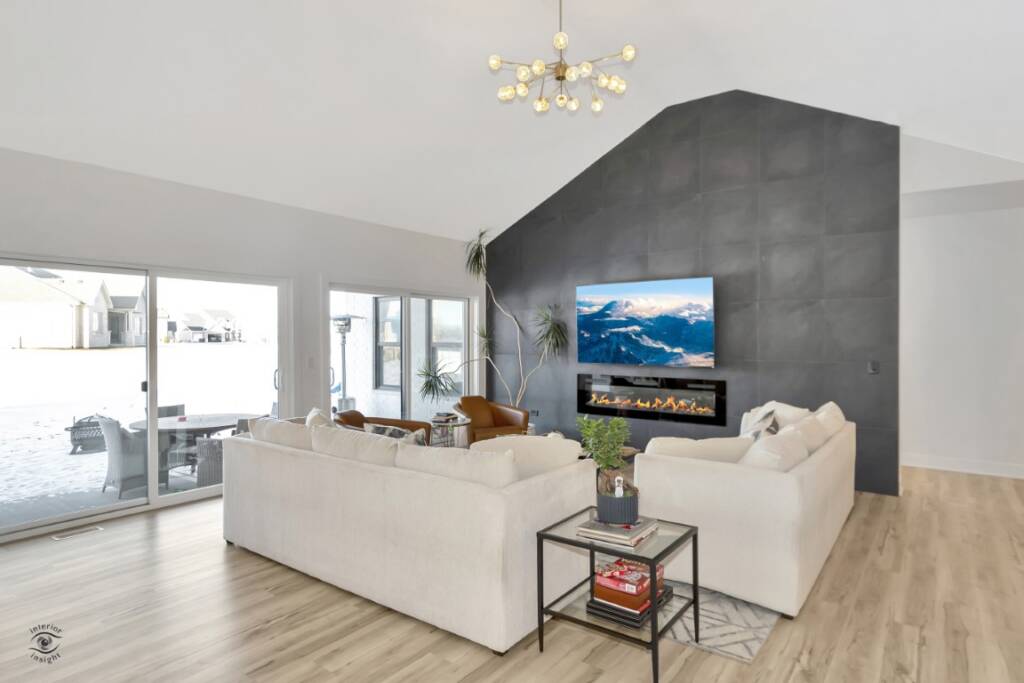
For many homeowners considering a custom home, one of the first questions they ask is about custom built home cost. While every project is unique, understanding the factors that influence pricing can help homeowners plan more effectively and make informed decisions throughout the building process.
Unlike purchasing an existing home, a custom home is designed and built specifically around the homeowner’s needs, preferences, and goals. Because of this level of personalization, custom built home cost can vary significantly depending on the home’s size, design complexity, materials, location, and site conditions.
By understanding what contributes to custom built home cost, homeowners can better prepare for the journey of creating a home tailored to their lifestyle.
What Determines Custom Built Home Cost?
Custom built home cost is influenced by a variety of factors that work together to shape the overall project budget. Unlike production homes that rely on standardized designs and materials, custom homes are unique, which means pricing varies from project to project.
Some of the most significant factors that affect custom built home cost include square footage, architectural design, material selections, site preparation requirements, and labor costs. The more customized a home becomes, the more opportunities there are for pricing to fluctuate based on homeowner preferences.
Understanding these variables is essential when planning a custom home project.
Home Size and Layout Impact Cost
One of the most obvious factors affecting custom built home cost is the size of the home itself. Larger homes generally require more materials, labor, and construction time, resulting in higher overall costs.
However, square footage is only one part of the equation. The layout of the home can also significantly influence custom built home cost. Homes with complex floor plans, multiple levels, large open spaces, or specialized architectural features often require additional engineering and construction expertise.
A thoughtfully designed home can help balance functionality, aesthetics, and budget considerations.
Material Selections and Finishes
Material and finish selections play a major role in determining custom built home cost. Homeowners have the flexibility to choose from a wide range of products, from standard options to premium materials and luxury finishes.
Cabinetry, countertops, flooring, fixtures, windows, roofing materials, and exterior finishes all contribute to the overall budget. While higher-end selections may increase custom built home cost, they can also enhance the home’s appearance, performance, and long-term value.
One of the benefits of custom home building is the ability to prioritize investments based on personal preferences and lifestyle needs.
The Role of Location in Custom Built Home Cost
Location is another important factor when evaluating custom built home cost. Building costs can vary based on local labor markets, permitting requirements, utility access, and site conditions.
The property’s characteristics also influence pricing. Factors such as grading, soil conditions, drainage, and accessibility can impact site preparation and construction requirements. Homes built on sloped lots, wooded properties, or rural acreage may require additional work before construction can begin.
Evaluating the property early helps homeowners better understand how location may affect custom built home cost.
Site Preparation and Land Development
Before construction begins, the property must often be prepared for building. Site preparation can include clearing land, grading, excavation, utility installation, driveway construction, and drainage improvements.
The scope of this work varies from one property to another, which is why site preparation is an important component of custom built home cost. Some lots require minimal preparation, while others involve more extensive development before construction can move forward.
Working with an experienced builder helps homeowners understand these requirements and incorporate them into the overall project budget.
Custom Features and Personalization
One of the biggest advantages of custom home building is personalization. Homeowners can create spaces that reflect their lifestyle, hobbies, and future plans. However, custom features can also influence custom built home cost.
Specialty rooms, built-in cabinetry, luxury kitchens, outdoor living spaces, home theaters, and smart home technology are just a few examples of upgrades that can affect pricing. The more customized a home becomes, the more opportunities there are to tailor the budget around specific priorities.
Custom home building allows homeowners to decide where they want to invest for the greatest impact.
Energy Efficiency and Long-Term Value
Modern custom homes often include energy-efficient features designed to improve comfort and reduce operating costs. While these features may increase initial custom built home cost, they can provide long-term benefits through lower utility expenses and improved home performance.
Energy-efficient windows, advanced insulation systems, high-performance HVAC equipment, and smart home technologies are common additions in today’s custom homes. Many homeowners view these features as valuable investments that enhance both comfort and long-term value.
Considering lifecycle costs alongside upfront expenses can help homeowners make informed decisions about their custom home.
Budgeting for a Custom Home Project
One of the most important steps in managing custom built home cost is establishing a realistic budget early in the process. A clear budget helps guide design decisions, material selections, and project priorities.
Working closely with a custom home builder allows homeowners to understand how various choices affect pricing while maintaining alignment with overall financial goals. Open communication and thoughtful planning can help avoid surprises and support a smoother building experience.
The most successful custom home projects begin with a strong understanding of expectations, priorities, and investment levels.
Common Misconceptions About Custom Built Home Cost
Many homeowners assume that custom homes are only for luxury estates or large budgets. In reality, custom homes are built in a wide range of sizes, styles, and price points.
Another common misconception is that custom built home cost is impossible to predict. While every project is unique, experienced builders can provide guidance and budgeting insights that help homeowners make informed decisions throughout the process.
Understanding these misconceptions allows homeowners to approach custom home building with greater confidence and realistic expectations.
Why Distinctive Custom Home Builders Focuses on Transparency
At Distinctive Custom Home Builders, we believe homeowners should have a clear understanding of custom built home cost throughout every phase of the project. Our team works closely with clients to align design goals, material selections, and construction plans with their budget expectations.
We understand that building a custom home is a significant investment, which is why communication, planning, and transparency remain central to our process. By helping homeowners understand the factors that influence pricing, we create a more informed and enjoyable building experience.
Our goal is to deliver custom homes that combine quality craftsmanship, thoughtful design, and long-term value.
Ready to Learn More About Custom Built Home Cost?
If you’re exploring custom built home cost and considering a custom home project, now is the perfect time to begin planning. Understanding the factors that influence pricing can help you make confident decisions while creating a home tailored to your lifestyle and goals.
Contact Distinctive Custom Home Builders today to learn more about custom built home cost and discover how we can help bring your vision to life.