
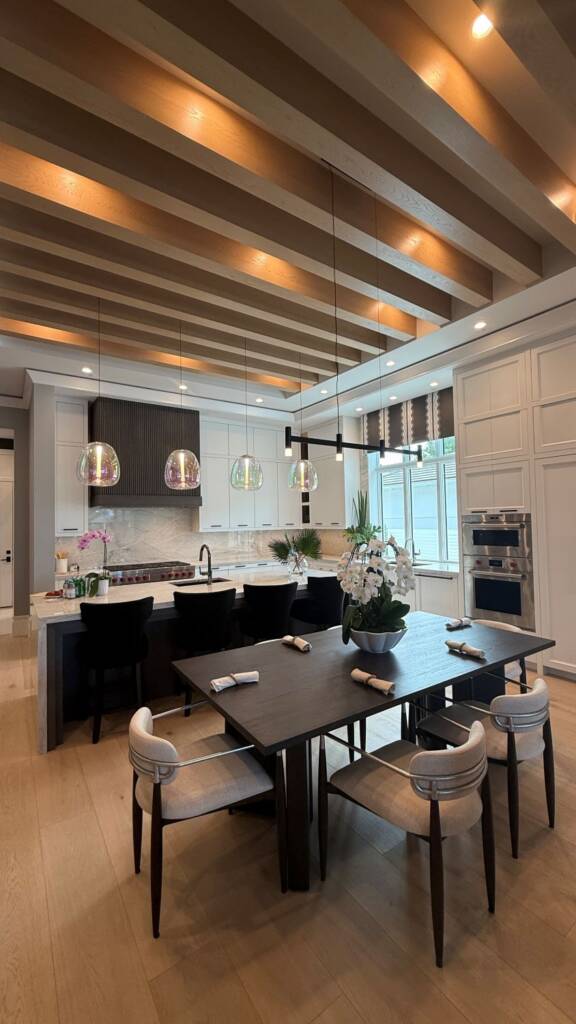
One of the first questions homeowners ask before building a custom home is, “What is the custom built home cost?” While there isn’t a one-size-fits-all answer, understanding how the overall cost is divided can help you plan your budget with confidence.
More importantly, knowing where your investment goes allows you to make informed decisions throughout the building process. By working with an experienced custom home builder, you can prioritize the features that matter most while avoiding unexpected expenses.
Land and Site Preparation
For many homeowners, purchasing the land is the first major investment. However, the purchase price is only one part of the total custom built home cost.
Additional site-related expenses may include:
- Land clearing
- Grading
- Excavation
- Erosion control
- Soil preparation
- Utility installation
- Driveway construction
Because every property is unique, site preparation costs can vary significantly depending on terrain, soil conditions, vegetation, and utility access.
Therefore, having your lot professionally evaluated before construction begins is one of the best ways to develop an accurate budget.
Foundation and Structural Framing
Once the site is ready, construction begins with the home’s foundation and framing. At this stage, several design choices directly influence construction costs.
Factors that affect pricing include:
- Basement, crawlspace, or slab foundation
- Ceiling heights
- Roof complexity
- Open-concept layouts
- Structural beams
- Large window openings
As a result, more complex architectural designs generally require additional materials, engineering, and labor.
Mechanical Systems
Modern custom homes rely on advanced mechanical systems that provide comfort, efficiency, and convenience. In addition, these systems represent a significant portion of the overall budget.
Common mechanical systems include:
- HVAC
- Plumbing
- Electrical
- Smart home technology
- Security systems
- Whole-home generators
- Energy-efficient ventilation
Although premium systems increase the initial investment, they often reduce operating costs and improve long-term performance.
Exterior Materials
The home’s exterior protects your investment while defining its appearance. Therefore, selecting durable, high-quality materials is an important part of budgeting.
Exterior expenses may include:
- Roofing
- Windows
- Exterior doors
- Siding
- Brick
- Stone
- Stucco
- Gutters
Likewise, higher-quality materials often require less maintenance and provide better long-term value.
Interior Finishes
Interior finishes are where homeowners personalize their custom home. Because of this, this category often has the greatest variation in overall cost.
Interior selections typically include:
- Flooring
- Cabinets
- Countertops
- Tile
- Lighting
- Plumbing fixtures
- Interior doors
- Trim
- Paint
Rather than upgrading every finish, many homeowners prioritize the areas they use most frequently, such as kitchens, bathrooms, and living spaces.
Soft Costs
Many homeowners focus only on construction expenses. However, several important costs occur before and during construction.
Soft costs often include:
- Architectural design
- Engineering
- Surveying
- Permits
- Utility connection fees
- Inspections
- Builder administration
Consequently, including these expenses in your initial budget creates a more realistic picture of your total investment.
Plan for a Contingency Budget
Every custom home project encounters unexpected situations. For that reason, experienced builders recommend setting aside contingency funds.
A contingency budget helps cover:
- Material price increases
- Site discoveries
- Weather delays
- Design modifications
- Homeowner upgrades
Generally, many homeowners reserve approximately 5% to 10% of the construction budget for unforeseen expenses.
Choosing the Right Builder Affects Overall Cost
The builder you choose has a direct impact on your project’s final cost. Therefore, selecting an experienced custom home builder is just as important as establishing your budget.
Professional builders help homeowners by:
- Providing detailed estimates
- Coordinating subcontractors
- Managing schedules
- Preventing costly delays
- Communicating budget updates
- Identifying value-engineering opportunities
After all, the lowest estimate isn’t always the best value if it results in change orders, construction delays, or lower-quality workmanship.
Why Homeowners Choose Distinctive Custom Home Builders
At Distinctive Custom Home Builders, understanding custom built home cost begins with transparency. From the first consultation, homeowners receive detailed estimates that clearly separate site preparation, construction costs, soft costs, and optional upgrades.
Moreover, the team works closely with homeowners throughout the design and construction process, ensuring every budget decision aligns with their goals and priorities.
Serving homeowners across Illinois and Indiana, Distinctive Custom Home Builders combines expert project management, honest communication, and exceptional craftsmanship to deliver homes that provide lasting value.
Start Planning Your Custom Home Budget
If you’re ready to build a custom home, understanding your budget is the first step toward a successful project.
Most importantly, early planning helps reduce surprises and allows you to invest confidently in the features that matter most.
Contact Distinctive Custom Home Builders today to schedule a consultation. Together, we’ll discuss your land, your vision, and develop a realistic budget for your custom home.